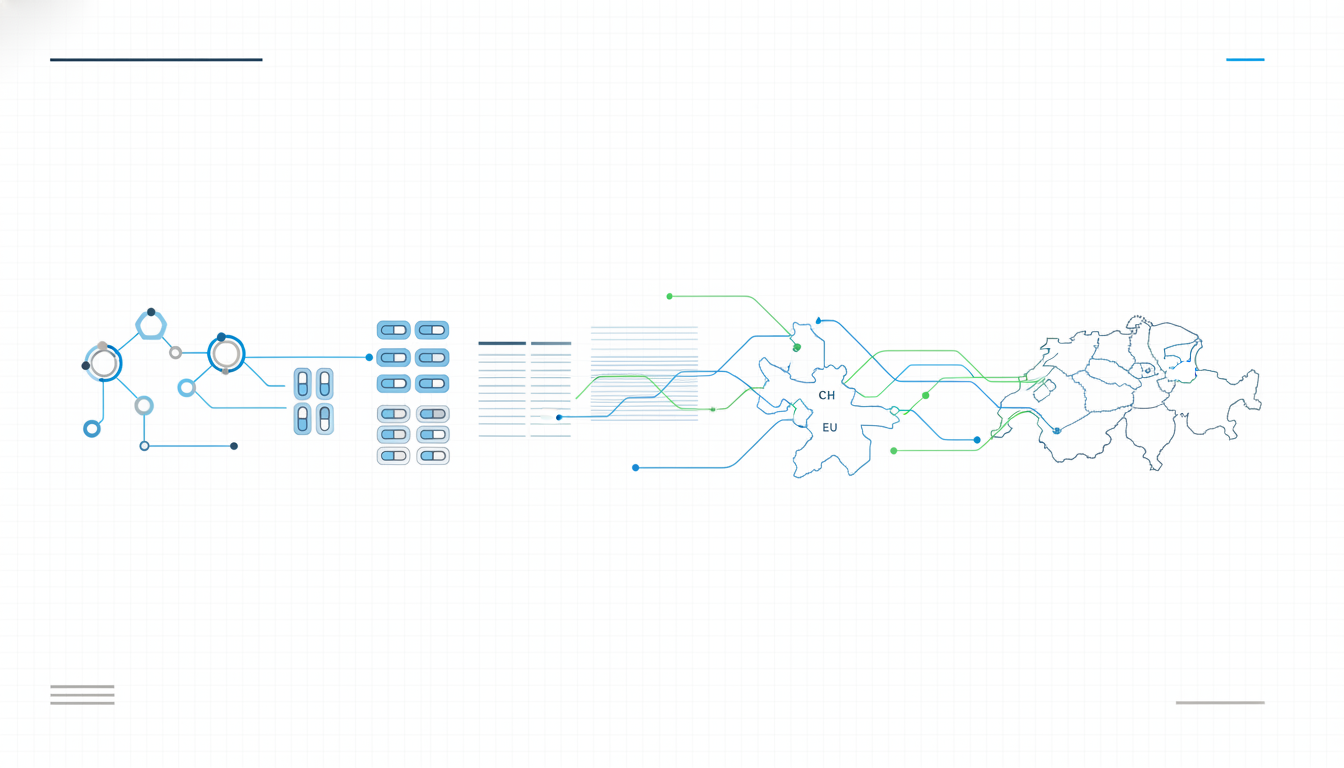
The Swissmedic Spezialitätenliste officially moved to a new digital platform on January 5, 2026. This shift centralizes drug reimbursement data at sl.bag.admin.ch for better access.
Key takeaways
- The BAG Spezialitätenliste changes launched in early 2026 to modernize access.
- sl.bag.admin.ch offers improved search and filtering for authorized products.
- API access remains limited; most users rely on the web portal for Pharmacode lookup Switzerland.
- The ePL project continues through 2027 to standardize electronic prescribing.
What is the New Swissmedic Spezialitätenliste (SL) and Why Did it Change?
The Spezialitätenliste (SL) is the official list of pharmaceuticals eligible for reimbursement under Swiss health insurance. It is maintained by the Federal Office of Public Health (BAG) in collaboration with Swissmedic.
The January 5, 2026 launch marks a structural update to how this data is presented. The primary goal was to digitize the interface and improve the transparency of Arzneimittelvergütung Switzerland. Before this update, data was often fragmented across PDF documents or older web interfaces. The new system aims to provide a single source of truth for authorized medicinal products. You can review the official list directories on the Swissmedic services page to understand the scope of these updates Swissmedic Lists and Directories.
What Are the Key Features of sl.bag.admin.ch?
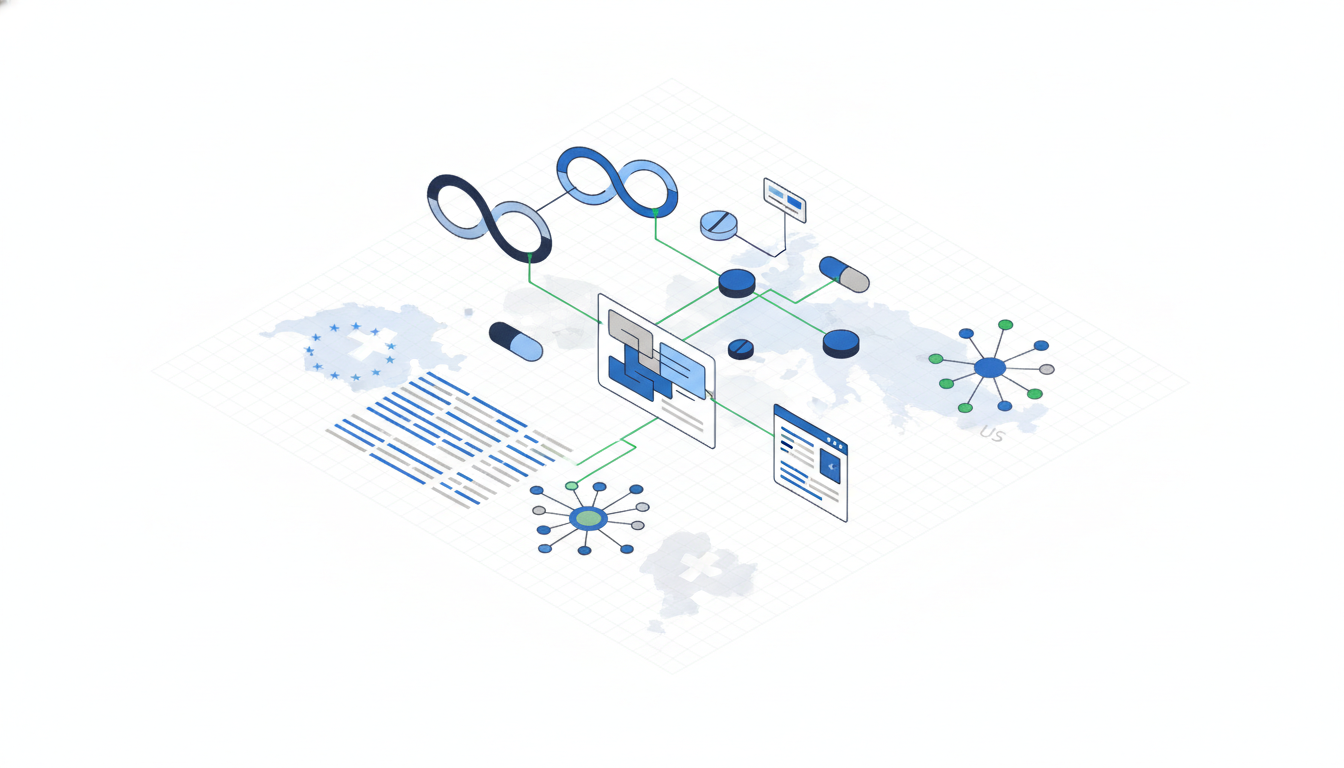
The new platform at sl.bag.admin.ch is designed for both quick lookup and deep analysis. It moves away from static documents to a dynamic database interface.
Core capabilities include:
- Direct Search: Users can query by drug name, active ingredient, or manufacturer.
- Filtering: Options to narrow results by therapeutic area, package size, or reimbursement status.
- Status Indicators: Clear visual cues for whether a product is currently authorized or withdrawn.
These features address common pain points for pharmacists and procurement officers. The interface is structured to reduce the time spent verifying coverage. While the site is primarily for human users, the data structure supports better downstream integration compared to previous formats.
How Do You Access and Use the New Digital SL?
Access is public and does not require a login for basic searches. You navigate directly to the BAG portal using your web browser.
To perform a Pharmacode lookup Switzerland, enter the known pharmacode number into the search bar. If you only have a GTIN lookup Swissmedic code, the system accepts Global Trade Item Numbers as well. Ensure you filter by "Human Medicinal Products" if you are working outside of veterinary contexts. For specialized lists, such as narcotics, the Swissmedic website maintains separate registers for those categories Swissmedic Narcotics Lists.
| Search Method | Input Format | Best For |
|---|---|---|
| Pharmacode | Numeric Code (e.g., 12345) | Internal inventory checks |
| GTIN | 13 or 14 Digit Barcode | Supply chain verification |
| Active Ingredient | Chemical Name (e.g., Acetylsalicylsäure) | Therapeutic equivalence |
What Is the Impact on Pharmaceutical Companies and Healthcare Professionals?
For pharmaceutical companies, the new SL requires updated marketing and compliance workflows. Reimbursement status is now more transparently displayed, which impacts how products are priced and positioned.
Healthcare professionals benefit from faster verification times. When prescribing or dispensing, checking the SL is mandatory for billing. The new digital format reduces the risk of manual entry errors. However, staff training is required to navigate the new filters effectively. The change ensures that Swiss drug database updates are reflected immediately rather than waiting for quarterly PDF releases.
What Is the ePL Project and Future Developments?
The electronic Patient Record (ePL) project is the broader initiative driving this digital transformation. It aims to connect the SL with electronic prescribing systems across Switzerland.
Current developments through 2026 focus on stabilizing the new portal. Future phases will likely integrate deeper with hospital information systems. This alignment supports the move toward standardized FHIR R4 Medication resources. The goal is to ensure that drug data flows seamlessly between the registry and the point of care.
How Can You Integrate Swissmedic Data via APIs?
Direct Swissmedic database API access is currently restricted. Most external applications must rely on public web scraping or approved data feeds where available.
Developers often build intermediate layers to normalize this data. If you need programmatic access for an application, consider aggregating data from multiple national registers. For those building interoperable systems, checking the official API reference is essential. Until official APIs expand, many teams use structured downloads from the BAG portal to update their local databases.
FAQ
Is the Swissmedic Spezialitätenliste free to access?
Yes, the digital version at sl.bag.admin.ch is free for public use without a subscription.
What is the difference between Swissmedic and the BAG SL?
Swissmedic handles authorization and safety, while the BAG manages the reimbursement list (SL).
How often is the SL updated?
The digital platform reflects changes in near real-time as new decisions are published.
Can I export data directly from the new SL?
Basic search results can be viewed in the browser, but bulk export functionality may be limited.
Does the new system support FHIR standards?
The ePL project aims to support FHIR standards by 2027 for better interoperability.
If you need help integrating this data into your workflow, explore our tools at Drug Database to streamline your checks.
- Swissmedic Spezialitätenliste 2026
- BAG Spezialitätenliste changes
- ePL project Switzerland
- Swiss drug database updates
- Arzneimittelvergütung Switzerland
- sl.bag.admin.ch features
- Swissmedic database API access
- Pharmacode lookup Switzerland
Try it
Check a medicine yourself.
Search by brand, substance or ATC code across the official registers — no account needed. Each record names the register it came from.
- Brand, substance or ATC code
- Source register and date on every record
Free: 20 lookups and 3 AI answers a month · no card