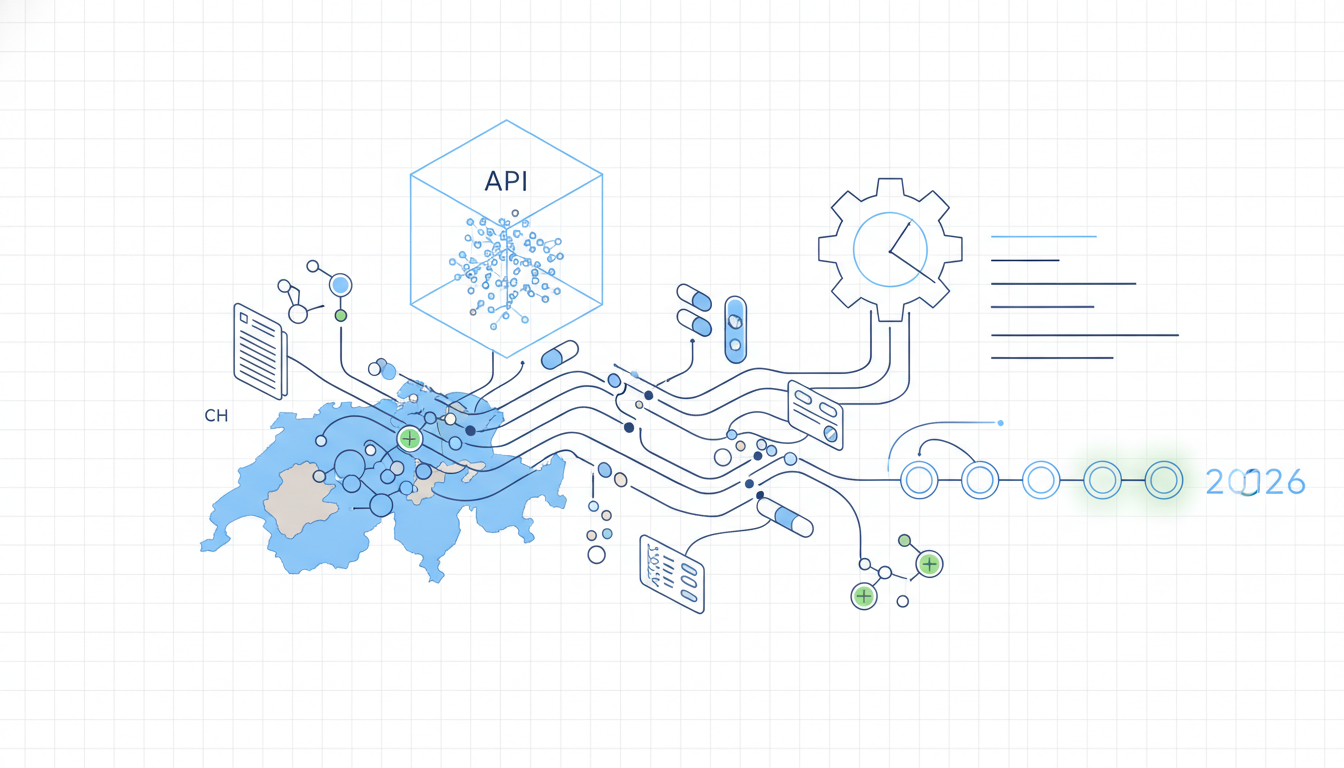
For clinical decision support, choose FDB or Micromedex for validated accuracy; for basic research, openFDA remains viable. The landscape shifted when DrugBank announced its Interaction Checker retirement for March 2026, following the NLM RxNav endpoint discontinuation in January 2024.
Key takeaways
- Verify data sources match your region (CH, EU, US).
- Prioritize APIs with clear licensing terms for EHR integration.
- Expect higher costs for clinically validated interaction logic.
- Plan migrations before DrugBank's March 2026 cutoff.
Why is the Drug Interaction API Landscape Shifting Now?
Major providers are closing legacy endpoints, forcing teams to migrate before deadlines. DrugBank stopped its Interaction Checker in March 2026, while NLM discontinued RxNav in January 2024. This forces developers to switch from free, public datasets to commercial, licensed data sources for production systems.
We have seen teams wait too long on free tiers. When the public sources went dark, projects stalled. You must confirm your data partner supports the current FHIR R4 Medication standards. Do not rely on cached data from retired endpoints. The regulatory pressure on medication safety means outdated logic creates liability.
What Key Features Define a Modern Drug Interaction API?
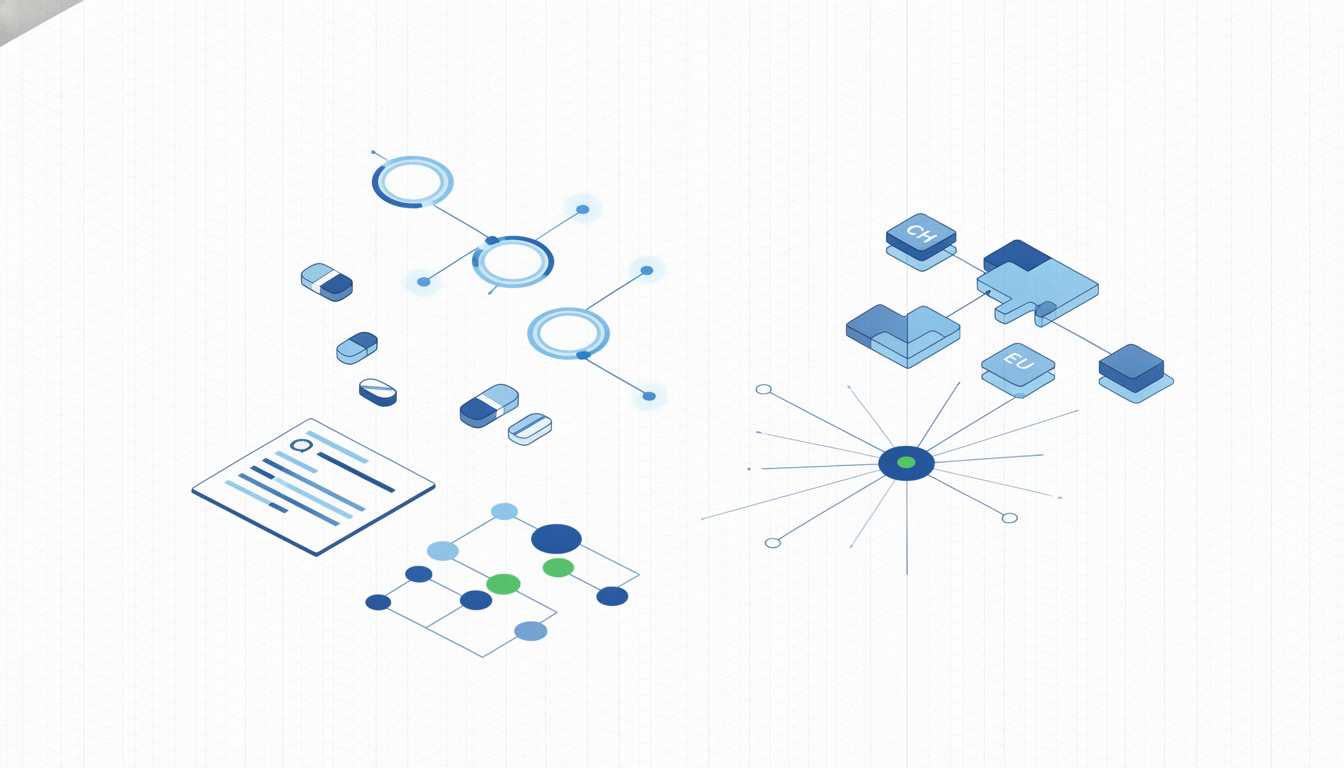
You need more than a simple lookup. The API should return interaction mechanisms, severity levels, and clinical recommendations. It must support standard codes like ATC, NDC, and Pharmacode for cross-border compatibility.
Check if the vendor updates their knowledge base regularly. Static lists fail when new generics enter the market. Ensure the output includes references to primary literature. We prefer APIs that expose the confidence score of an interaction. This helps you filter low-priority alerts in your interface.
Which Drug Interaction APIs Compare Best for Healthcare Software?
Below is a comparison of the leading options available in September 2026. Consider your region and clinical requirements before selecting a tier.
| Provider | Best For | Data Depth | Region Focus | Licensing |
|---|---|---|---|---|
| FDB | EHR Integration | Deep Clinical Logic | US/Global | Enterprise |
| Micromedex | Clinical Decision Support | Detailed Guidelines | US/Global | Enterprise |
| RxLabelGuard | Prescription Labeling | FDA Label Data | US | Commercial |
| openFDA | Research/Prototyping | Public Reports | US | Free (Open) |
openFDA is useful for initial testing but lacks the structured severity logic needed for live patient safety. Commercial vendors like FDB and Micromedex require contracts but provide the stability hospitals expect.
How Do You Integrate These APIs with EHR Systems?
Integration requires mapping internal drug codes to the API's identifiers. Use FHIR R4 Medication resources to standardize requests across systems. Avoid sending raw strings; map to RxNorm or SNOMED CT first.
We recommend caching interaction results to reduce latency. Do not call the API for every keystroke in the prescription screen. Instead, trigger checks on drug addition or dose change. Ensure your system handles timeouts gracefully. If the API is down, your EHR should still allow prescribers to proceed with a warning.
How Can You Address Clinical Accuracy and Alert Fatigue?
Too many alerts cause clinicians to ignore critical warnings. Choose an API that categorizes interactions by severity. Use the mechanism of action to suppress known, non-threatening pairs.
Set thresholds based on your clinical policies. For example, suppress minor interactions if the patient is on a stable regimen. Require a justification note for overridden major alerts. This audit trail helps compliance teams review safety data. Accurate filtering reduces noise and keeps the system trusted by staff.
What Are the Pricing Models for Enterprise Drug Data?
Costs vary by volume and feature set. Enterprise plans usually charge per MAU (monthly active user) or per prescription volume. Free tiers often lack the latest interaction logic or geographic coverage.
Be wary of hidden fees for data refreshes or specific regional datasets. If you operate in Switzerland or the EU, verify support for BAG-SL or EMA SPOR data. We advise negotiating a flat rate for predictable billing. Read the service level agreement carefully. Downtime in drug safety systems can halt operations entirely.
For more on Swissmedic and EU medicinal product data, explore our Swiss drug database.
FAQ
What is the best drug interaction API for EHR?
FDB and Micromedex are the standard choices for EHR systems due to their deep clinical logic and FHIR compatibility.
Are there free drug interaction API alternatives?
openFDA offers free access to public drug data, but it lacks the structured interaction severity needed for clinical decision support.
When did DrugBank API retire?
The DrugBank Interaction Checker officially retired in March 2026, following the discontinuation of the NLM RxNav endpoint in January 2024.
Does openFDA offer drug interaction data?
Yes, openFDA provides adverse event and labeling data, but it does not offer a direct, structured drug-drug interaction checker API.
How do I integrate e-prescribing drug interactions?
Map your internal drug codes to RxNorm, then query the API via FHIR R4 Medication resources before finalizing the prescription.
- drug interaction checker API 2026
- best drug interaction API for EHR
- free drug interaction API alternatives
- DrugBank API retirement
- openFDA drug interaction data
- clinical decision support API
- e-prescribing drug interaction integration
- drug-drug interaction API comparison
Try it
Check a medicine yourself.
Search by brand, substance or ATC code across the official registers — no account needed. Each record names the register it came from.
- Brand, substance or ATC code
- Source register and date on every record
Free: 20 lookups and 3 AI answers a month · no card